
Choosing the right cover for traders: why it matters
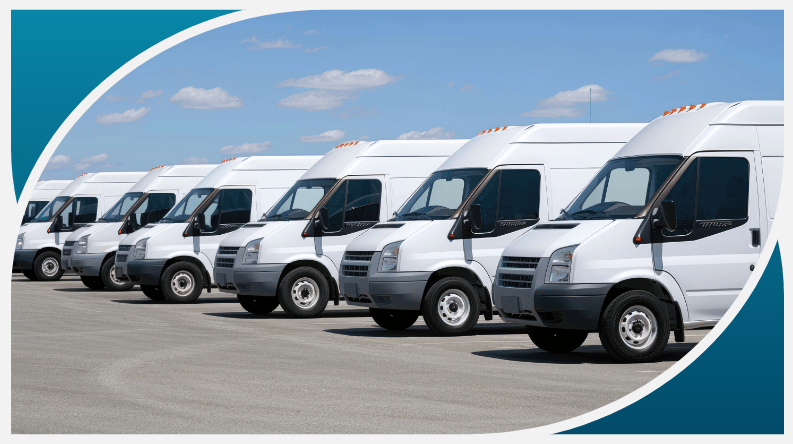
Fleet cover lets traders insure multiple vehicles under one policy, which makes life much easier. You get a single renewal date, consistent coverage terms, and the same excess across all vehicles.
Individual vehicle cover means a separate policy for each vehicle. This might work fine if you’re a sole trader with just one or two vehicles, but it gets messy fast as your fleet grows.
Think about it: different renewal dates scattered throughout the year, varying coverage limits, and a mountain of paperwork to keep track of. It’s enough to give anyone a headache.
The choice between these options affects both your wallet and your daily operations. Fleet cover often delivers better value for money, with more predictable premiums that can work out cheaper than multiple individual policies combined.
There’s also the time factor. Managing one policy instead of juggling several means less admin work and more time to focus on what actually makes you money.
Fleet policies offer flexibility too. Adding or removing vehicles is straightforward, and you won’t find yourself with coverage gaps because one vehicle has different terms from another.
For traders running multiple vehicles or planning to expand, fleet cover usually makes the most sense. Individual cover works better when you’ve got just one vehicle and don’t need the administrative benefits that come with fleet insurance.
Getting your insurance structure right helps you manage risk, keep costs under control, and ensures your business keeps running smoothly when you depend on vehicles to get the job done.
What each option actually covers
Fleet cover defined
Fleet cover is a single insurance policy that protects multiple vehicles under one umbrella. You get uniform policy limits and consistent excesses for all vehicles included, which makes managing your insurance much simpler.
This type of cover works particularly well for businesses using several vehicles of different types. Whether you’ve got cars, vans, trucks, or specialist vehicles, fleet cover provides a streamlined solution that eliminates the hassle of juggling individual policies.
The real beauty of fleet cover lies in its flexibility. You can add or remove vehicles easily as your business needs change without dealing with separate policy paperwork for each vehicle.
This uniformity makes fleet insurance particularly suitable for businesses whose vehicle requirements might grow, shrink, or shift over time. Instead of managing multiple renewal dates and varying terms, you get one consistent structure that adapts as your fleet evolves.

Individual vehicle cover defined
Individual vehicle cover means each vehicle gets its own separate policy. This works well if you’re running just one or two vehicles in your business.
With individual policies, everything stays clear and simple at first. You know exactly what each vehicle is covered for, when it renews, and what you’re paying.
The problems start when you add more vehicles to your operation. Suddenly you’re dealing with different renewal dates throughout the year, and each policy might have different coverage limits or features.
This creates a fair bit of admin work. You need to track multiple policies, remember different renewal dates, and keep tabs on varying terms and conditions.
The risk of making mistakes goes up too. Miss a renewal date or forget about a policy detail, and you could end up with gaps in your cover.
As your fleet grows, managing several individual policies becomes increasingly time-consuming. What seemed straightforward with one vehicle turns into a juggling act that takes attention away from running your business.
Cost and pricing dynamics
Fleet policies assess the combined risk of your entire group of vehicles, which creates more predictable premiums. This often works out cheaper as your fleet grows because insurers spread the risk across all vehicles rather than pricing each one separately.
High-risk and low-risk vehicles get averaged together under fleet cover. This risk pooling effect means you’re not penalised heavily for having one problematic vehicle in your fleet.
The savings become more obvious as you add vehicles. Where individual policies might see costs climb steeply with each additional vehicle, fleet premiums tend to level off or even decrease per vehicle.
Administrative costs drop significantly too. One policy means one renewal date, one set of paperwork, and one billing cycle. Compare that to juggling multiple renewal dates and different coverage terms throughout the year.
For larger fleets, these administrative savings add up quickly. You’re not paying for multiple policy fees or spending hours managing different renewal schedules.
If you’re running just one or two vehicles though, individual cover might still make more financial sense. The administrative benefits of fleet cover don’t justify the cost when you’ve got minimal admin work anyway.
Individual policies keep things simple and cost-effective for smaller operations. You only pay for what you need without the complexity that comes with fleet arrangements.
Administration, billing and scalability
Managing all vehicles under a single policy means just one renewal date and streamlined invoicing. This cuts down paperwork and admin time considerably.
Uniform coverage terms across all vehicles help reduce the risk of missing important changes. When you’re dealing with multiple separate policies, these details can easily slip through the cracks.
For businesses that regularly change their vehicle lineup, a fleet policy makes adding or removing vehicles much simpler. There’s no need to rewrite and check several individual contracts as your trading needs shift.
This scalability proves particularly valuable as your fleet grows or business requirements change. You can adapt your coverage without drowning in administrative tasks that eat into your productive time.
Risk consistency, protection breadth and compliance
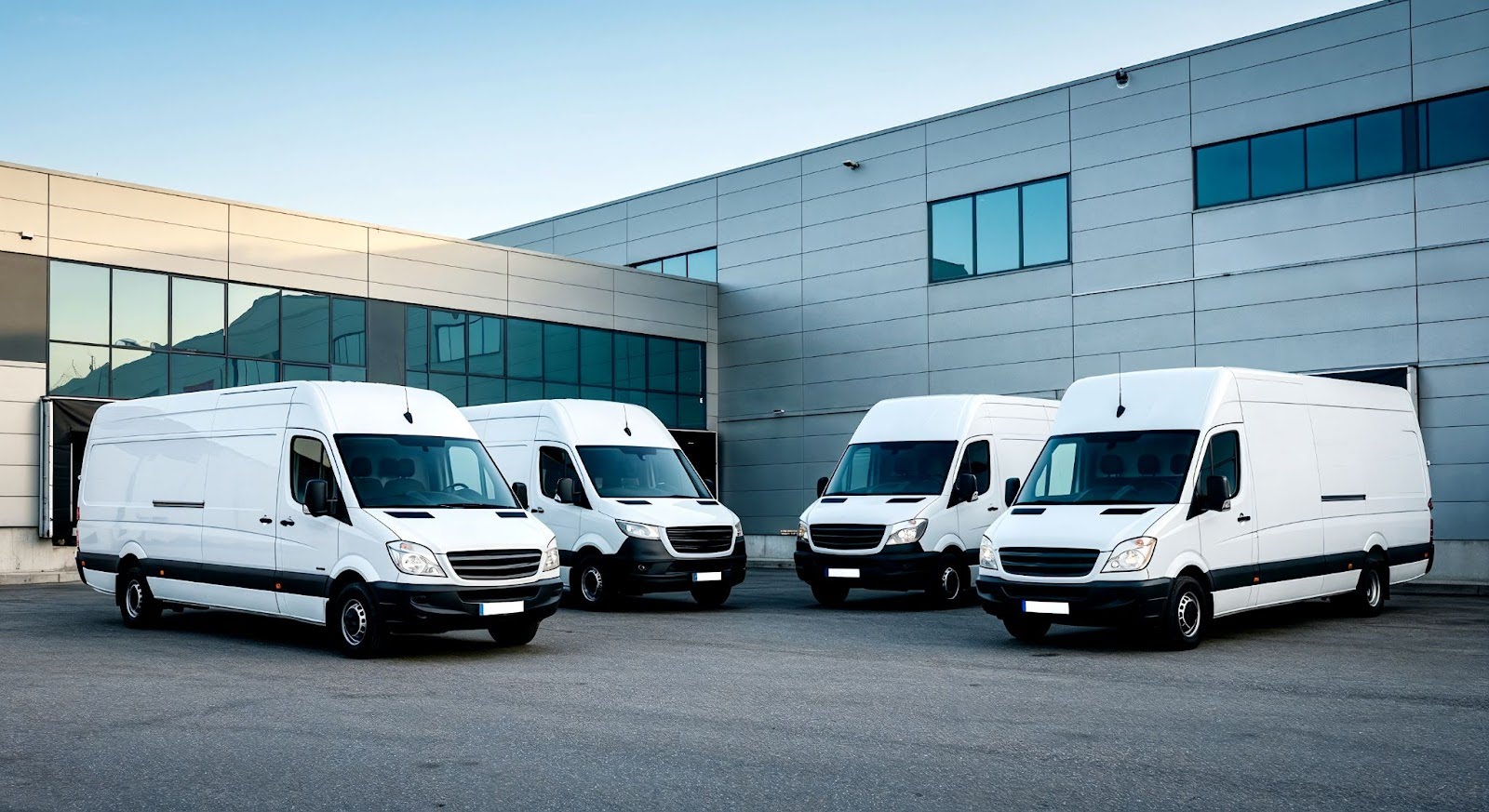
Fleet policies deliver uniform protection across all vehicles, with consistent coverage limits and terms. This eliminates the variations that could leave some vehicles underinsured or create gaps in protection, which often trigger costly claims disputes for businesses running multiple vehicles.
Comprehensive fleet cover typically handles major risks like accidents, theft, fire, and third-party liability. This creates a comprehensive safety net that keeps your operations running when unexpected events happen.
Maintaining consistent cover standards across your entire fleet also makes it easier to meet Australian legal requirements for commercial vehicles. Proper insurance is essential for operating legally, and a well-structured fleet policy helps support ongoing regulatory compliance.
This reduces the risk of legal issues and shows clients, partners, and staff that your business takes safety and responsible fleet management seriously. By covering both regulatory standards and the practical risks of vehicle operation, fleet policies provide a comprehensive solution that supports long-term business continuity.
Driver flexibility and day‑to‑day operations
Most fleet policies let any authorised employee drive any vehicle, which makes scheduling much easier. You can reassign drivers at short notice without extra paperwork or approvals.
This flexibility really helps when someone calls in sick or you get an urgent job. Instead of scrambling to find the right driver for a specific vehicle, anyone with permission can step in and keep things moving.
Fleet policies also come with the same excess and terms across all vehicles. Everyone knows exactly what to expect if something goes wrong, which cuts down confusion and speeds up the claims process.
The real advantage shows up during busy periods or when vehicles break down. You can quickly shuffle resources around to cover urgent jobs or compensate for a vehicle that’s off the road.
This kind of adaptability keeps your business running smoothly. Your customers get their service on time, productivity stays high, and you can respond quickly when priorities shift or unexpected problems crop up.
Customisation options traders value
The real strength of fleet insurance lies in how you can shape it around your actual business needs. You can add breakdown cover, legal expenses protection, and goods-in-transit cover directly into your policy.
This means your insurance actually reflects what you do day-to-day, not just a generic package that might miss important gaps.
The level of protection adjusts to match your specific vehicle mix too. Whether you’re running vans, utes, or specialist equipment, your cover can reflect the different risks each type faces on the road and at job sites.
It’s worth reviewing your policy regularly, especially when your operations change or your fleet grows. Regular check-ins keep everything accurate and prevent those annoying situations where your coverage doesn’t match your current reality.
This stops you paying for things you don’t need whilst making sure you’re properly protected for the risks you actually face. The flexibility helps you stay compliant and adapt your insurance as your business evolves without starting from scratch each time.
When individual vehicle cover may be the better fit
For very small businesses operating just one or two vehicles, taking out separate policies for each can be a straightforward solution. With so few vehicles, tracking renewals, policy changes, and paperwork is relatively simple.
Individual policies are manageable where changes are rare and there’s no need to handle the administrative overhead that comes with a larger operation.
If your business only rarely adds or removes vehicles and can easily handle the occasional renewal, individual cover may offer the clarity and simplicity you need. However, as soon as your vehicle numbers start growing, challenges arise.
Renewals may land on different dates, coverage limits and policy terms can vary, and maintaining oversight becomes harder.
This increase in complexity raises the risk of cover lapsing, inconsistent limits, or missed updates. Problems that can leave your business exposed.
For these reasons, individual vehicle cover tends to suit the smallest operators, but once your setup expands, a move to fleet cover will likely save time, reduce risk, and simplify compliance as your business grows.
How traders can choose with confidence
Start by listing every vehicle you have, including details like make, model, year, and how each is used. Think about whether your fleet is likely to expand or change in the next year.
Traders who often add or change vehicles should favour options that allow simple and flexible adjustments.
Check the driving records of all employees and look at when and how your vehicles are used. Regular city deliveries require different coverage considerations than interstate jobs.
Use this information to get clear, side-by-side insurance quotes comparing fleet policies with individual vehicle policies. This makes it easier to see which option fits your business profile and offers better value.
It’s beneficial to consult with an insurance broker in Perth who can help by reviewing your unique business needs, assisting with negotiations, and handling claims if needed. They can also guide you through optional extras that may be worth adding to your policy, such as cover for tools, signage, or specialist vehicles.
Set a regular review date for your insurance, ideally before your policy renews. Each year, revisit your cover as your operation changes.
This keeps you properly protected, prevents gaps as your fleet evolves, and keeps your insurance aligned with your business plans.
Key takeaways to guide traders’ next renewal
Go with fleet insurance if you want simple management, predictable costs, and flexibility. A fleet policy gives you one renewal date, lets any driver use any vehicle, and keeps all your vehicles on the same terms.
This works particularly well for growing operations or businesses running several vehicles.
If you’re running just one or two vehicles and don’t expect much change, individual policies might be easier and cheaper. Managing a couple of vehicles separately doesn’t create much extra work and suits traders who aren’t planning to expand soon.
Either way, compare quotes properly and match your policy to the actual risks you face. Whether you’re covering one vehicle or ten, review your insurance at each renewal because what fits now might not work as your business changes.
Regular reviews keep your protection up to date with what you actually need.