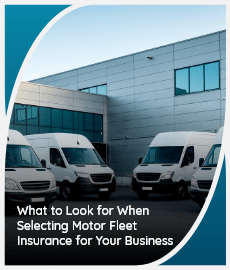
Motor fleet insurance for trades and delivery businesses
Motor fleet insurance bundles all your business vehicles under a single policy, making it much simpler to manage your commercial vehicle cover. This approach keeps your business running smoothly by protecting against accidents, theft, and third-party claims, so you can get back on the road quickly after any incidents without major financial headaches.
For trades and delivery businesses, motor fleet insurance ticks several important boxes. It keeps you legally compliant for commercial vehicle operation, which is absolutely essential.
By rolling all your vehicle cover into one policy, you’ll often save money compared to individual policies for each vehicle. Plus, you get the bonus of just one renewal date and one set of paperwork to manage, freeing up your time to focus on what you do best.
The beauty of motor fleet insurance is its flexibility. It covers cars, vans, utes, trucks, trailers, and mobile plant equipment, making it perfect for businesses with mixed vehicle types. This comprehensive protection is crucial for keeping your assets safe and your operations running smoothly, especially when reliable transport is the backbone of your daily business.
What motor fleet insurance is and how it differs from standard commercial motor
Motor fleet insurance bundles multiple vehicles under one policy, which makes life much easier for businesses with larger vehicle operations. Standard commercial motor insurance works differently – each vehicle needs its own separate policy, creating a mountain of paperwork and admin headaches.
You’ll typically need at least 10 to 15 vehicles to qualify for fleet cover. The policy can include cars, vans, trucks, trailers, and even plant equipment, which is brilliant for trades and delivery businesses running mixed fleets.
Here’s where it gets interesting: standard commercial motor insurance is basically an off-the-shelf product with rigid terms that don’t bend much. Fleet insurance, however, gets the personal touch through manual underwriting.
This means insurers can actually work with your specific business needs, claims history, and risk profile. They’ll often adjust cover and conditions to suit you, rather than forcing you into a one-size-fits-all box.
The cost benefits usually stack up nicely too. Per vehicle, you’ll often pay less than individual policies. Plus, you don’t need to name specific drivers, which saves tonnes of admin time.
Another practical advantage is flexibility with vehicle changes. Instead of updating your policy every time you buy or sell a vehicle, most fleet policies adjust these changes at renewal time. This keeps the paperwork simple and your business moving.
Coverage options and built‑in features
Core cover types
Comprehensive cover gives you full protection for your fleet vehicles against theft, loss, or damage from covered events. It also includes third-party property damage or injury liability, which keeps you legally compliant whilst protecting your business assets.
Third-Party Fire and Theft cover protects your fleet against fire and theft risks, plus third-party property damage or injury liability. This option gives you solid protection without the full comprehensive price tag.
Third-Party Only cover is the basic legal minimum. It only covers liability for damage or injury to other people’s property caused by your vehicles.
Lay-Up Cover works for vehicles that are temporarily off the road and in storage. You get protection without paying for full driving cover during inactive periods, which makes perfect sense if you’ve got seasonal vehicles or equipment that sits idle for months.
Typical policy features that matter to trades and delivery
Windscreen excess waivers come as standard on most fleet policies for sedans, utes, and vans. You won’t pay an excess for windscreen repairs or replacements, which means less hassle and no surprise bills when chips or cracks happen.
No Claim Bonus protection keeps your hard-earned premium discounts safe, even after making your first claim. If you’ve built up a good driving record over the years, this feature stops you from losing those valuable savings when accidents do happen.
Hire car cover kicks in after accidents or theft, giving you access to replacement vehicles whilst yours are being repaired. This keeps your deliveries running and your team on-site, so business disruption stays minimal.
Emergency repairs cover lets you get essential fixes done immediately after an incident, up to set policy limits. It’s particularly useful for minor damage that can be sorted quickly, getting your vehicles back to work faster.
Automatic cover for fleet changes takes the admin headache away. When you buy, sell, or replace vehicles during your policy period, they’re covered automatically without extra paperwork or phone calls to update your policy.
New vehicle replacement is a standout benefit for newer fleet vehicles. If your sedan, ute, or van gets written off within two years of registration, you’ll get a brand new replacement rather than a cash settlement based on depreciated value. This keeps your fleet modern and protects you from immediate financial losses.
Customisable options
Fleet policies can be customised with a range of optional add-ons that go beyond basic legal requirements. Common extras include breakdown cover to keep vehicles moving, legal expenses to help manage claims or disputes, and goods in transit protection, which is crucial for delivery services and trades carrying tools or materials.
This level of flexibility means your cover can match your specific risks, whether you operate specialist vehicles, transport valuable equipment, or need continuous vehicle access for business operations.
By selecting relevant add-ons, your insurance closely reflects how your business actually operates and the potential challenges you might face each day. This approach helps bridge the gap between standard policy features and the real-world protection your business needs to stay operational.

Operational and financial benefits for trades and delivery operators
Motor fleet insurance delivers real operational efficiency and financial advantages for trades and delivery operators. Insurers spread the risk across your entire fleet, which typically means lower per-vehicle rates than you’d get with separate individual policies.
This makes fleet cover genuinely cost-effective, particularly as your vehicle numbers grow. The savings really add up over time, giving your budget more breathing room.
Administration becomes much simpler because you’re only juggling one policy and one renewal date. No more headaches tracking multiple policies with different terms and renewal schedules, which frees up your team to focus on actually running the business.
The flexibility aspect is particularly handy. Fleet policies usually don’t require you to name every driver, so any properly licensed and authorised employee can hop behind the wheel of insured vehicles. This is brilliant for businesses with changing workforces or jobs that shift at short notice.
From a compliance angle, fleet insurance helps ensure you meet legal obligations for commercial vehicle operation. It also sends a clear signal to clients and partners that you’re serious about safety and business continuity, which strengthens your professional reputation.
Many insurers will actively collaborate with you on risk management too. They might offer driver safety programmes, review claims patterns, or adjust excesses based on your specific risk profile. These initiatives improve safety outcomes and can help keep premium increases under control, maintaining your competitiveness long-term.
How premiums are calculated and how to keep them competitive
Fleet insurance premiums get calculated using several key factors that insurers look at carefully. They’ll consider your total vehicle count, your business industry code, and what type of goods your vehicles transport.
Each vehicle’s specific role matters too. Whether it’s carrying passengers or doing heavy excavation work directly affects your premium calculation.
Your claims history from the past three to five years plays a massive part in pricing. A clean record with minimal claims can seriously improve the rates you’re offered.
Different insurers have completely different appetites for various fleet types. Some love working with specific vehicle mixes or particular industries, which is exactly why shopping around multiple markets often delivers much better pricing.
Testing several insurance options helps ensure you’re getting genuinely competitive rates for your specific fleet profile and operational risks.
Keeping your premiums reasonable over time really comes down to solid risk management. Driver training programmes that cut down accident frequency and severity can significantly improve your long-term pricing prospects.
Setting appropriate policy excesses gives you another useful tool for lowering immediate premium costs. When you review what’s causing your claims and make operational improvements, insurers notice this proactive approach and often reward it with better pricing.
A good broker becomes your advocate in this process. They’ll identify the most suitable cover options, negotiate competitive terms, and make sure any claims get handled efficiently.
This partnership approach helps secure the right protection at sustainable premium levels, whilst getting maximum value and practical risk control for your business.
Driver, vehicle and usage flexibility
Fleet insurance policies deliver exceptional flexibility in managing drivers, vehicles, and usage patterns, which makes them perfect for dynamic trades and delivery operations. Most policies allow unnamed drivers, eliminating the administrative burden of constantly updating driver lists and letting any authorised, licensed employee operate fleet vehicles as jobs and shifts change.
This approach works brilliantly for businesses with rotating staff, multiple shifts, or seasonal peaks where your workforce changes regularly.
Mixed vehicle types get full support under one policy umbrella. You can insure light commercials, larger trucks, trailers, and specialist plant equipment all together, which simplifies insurance management for fleets using various vehicles for different purposes.
For vehicles that serve both business and private needs, some policies consolidate cover within the same schedule. This removes the hassle of separate policies and keeps reporting requirements straightforward.
Automatic vehicle additions and deletions come as standard features. New vehicles get covered immediately when acquired, and redundant vehicles are easily removed without fuss.
At renewal time, fleet schedules adjust to match your current assets, making it straightforward to accommodate business growth and respond to seasonal changes in fleet size. This flexibility minimises coverage gaps and maintains operational efficiency throughout the year.
Claims, downtime and ongoing support
Hire car cover after an accident or theft keeps your operations moving forward, cutting delivery disruptions whilst your vehicle gets repaired or replaced. Emergency repairs cover lets you take swift action for minor fixes, reducing project delays and keeping vehicles available for urgent work.
These immediate solutions prove essential for businesses that rely on continuous transport to meet deadlines and maintain client service levels.
Broker support becomes crucial when claims happen, streamlining the handling process for faster outcomes and less downtime. Regular policy reviews help ensure your coverage stays current as your fleet grows or vehicles change, preventing gaps or over-insurance.
To get the most comprehensive protection for your business operations, it’s worth taking the time to speak with an experienced insurance broker in Perth. Brokers also handle paperwork and advocate on your behalf, making it easier to focus on daily operations rather than wrestling with insurance administration. This hands-on support approach keeps your business protected whilst minimising the time you spend dealing with insurance matters.
Considerations specific to trades and delivery businesses
Trades and delivery businesses face specific insurance challenges due to regularly transporting tools, materials, or parcels. Adding goods in transit cover protects against potential loss, theft, or damage to items carried in your vehicles.
Legal expenses cover is worth considering too, providing support with costs if you face claims or contractual disputes related to your fleet activities.
For businesses operating urban delivery cycles or working to tight schedules, a breakdown can quickly disrupt workflow and cause expensive delays. Breakdown cover ensures prompt assistance when vehicles fail, helping reduce downtime and maintain service continuity.
A crucial requirement for underwriting is keeping detailed and accurate records of your fleet. Make sure you list all vehicle types including utes, vans, trucks, trailers, and plant equipment, and update your insurer about any growth plans.
Regularly reviewing this information avoids gaps in cover and ensures your insurance matches your current and future needs.
Pay attention to policy features that directly benefit trade and delivery operators. Windscreen excess waivers, often included for common vehicle types like sedans, utes, and vans, eliminate out-of-pocket costs for screen repairs or replacements.
New vehicle replacement options can be particularly valuable, providing brand new vehicles if one is written off within the first two years. This helps protect business assets and operational capabilities.
Your practical checklist to secure the right fleet policy
Start by checking your current fleet size, as most insurers require at least 5 vehicles, though the threshold is more commonly 10 to 15 or more. Always verify specific insurer requirements before moving forward.
You’ll need to gather essential documentation including your last three to five years’ claims history on official insurer letterhead. Add a five-year record of vehicle numbers to show any growth or changes, plus an up-to-date vehicle schedule listing all current assets.
Next, decide your preferred policy type. Choose from Comprehensive, Third-Party Fire and Theft, or Third-Party Only cover, and establish if any vehicles need Lay-Up Cover for periods of inactivity.
Select relevant add-ons according to your operational risks. Common options include breakdown cover, legal expenses, and goods in transit protection.
Plan risk improvements that could affect future premiums. Consider driver training, review and adjust policy excesses, and implement solid incident reporting procedures.
Finally, engage a broker to approach multiple insurers or underwriters, as appetite, policy terms, and pricing vary significantly. This approach is more likely to secure competitive cover that fits your fleet’s specific needs.